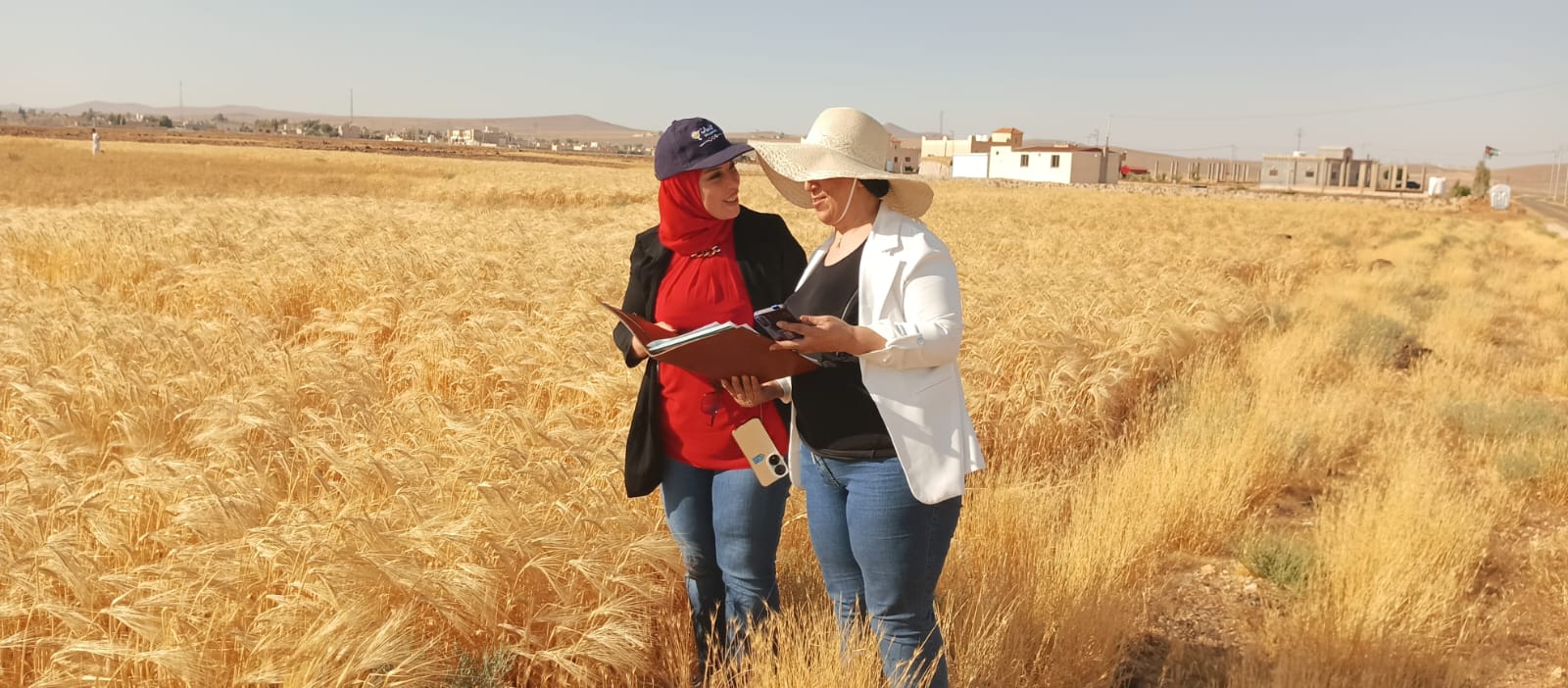
The photograph comes from our Northern Badia project documentation. It shows women taking part in fieldwork; it does not establish their income, circumstances or a completed women’s empowerment programme.
Proposed application: an optional session led by local participants can document non-sensitive knowledge about water, plants and seasonal work. Women help frame questions, validate summaries and choose what may be published.
Steps: explain the purpose; allow participation without recording or photographs; take general notes without names; ask permission before recording; review the summary together; remove material participants do not want published; choose a small action that can be evaluated. Do not publish a household location, private water source or personal story.
Fictional example: two notes say an early session is inconvenient for some participants. A language tool can organize alternative times and access arrangements. The appropriate output is options and questions, not a claim that all women prefer one schedule.
Practice prompt: “Turn these general notes into three session arrangements. Do not infer income, age or identity. Highlight differences and questions to put back to participants.” Review the output together before deciding.
Quality checks: can participants challenge the summary? Is there a paper or spoken alternative for people without smartphones? Does the activity reduce a practical burden rather than add unpaid work? Tool use does not promise income, funding or legal protection.